The Dos and Don’ts of Mold Prevention in New Providence
Mold thrives in New Providence’s humid summers and damp basements, but proactive steps can keep it at bay. Our team sees the same mistakes time and again—small oversights that lead to costly remediation. Here’s how to protect your home, from Berkeley Heights to Summit, with field-tested strategies.
Why Mold Prevention Matters in Our Area
New Jersey’s seasonal swings—wet springs, humid summers, and cold, damp winters—create ideal conditions for mold. Without prevention, spores take hold in basements, crawl spaces, and attics, often unseen until damage spreads.
Mold doesn’t just harm structures; it compromises indoor air quality, triggering allergies and respiratory issues. Early intervention saves thousands in remediation and protects your family’s health.
Common Mold Hotspots in Local Homes
Basements and crawl spaces top the list, especially in older New Providence homes with poor drainage or cracked foundations. Even minor seepage feeds mold colonies over time.
Attics are another culprit. Inadequate ventilation traps moisture from daily activities, while roof leaks go unnoticed until mold stains appear on ceilings. We also see frequent issues in bathrooms and kitchens without proper exhaust fans.
Don’t overlook HVAC systems. Dirty or clogged filters circulate spores throughout your home, turning a small problem into a whole-house contamination.
| Area | Risk Level | Primary Causes |
|---|---|---|
| Basement | High | Poor drainage, foundation cracks, sump pump failures |
| Crawl Space | Very High | Lack of vapor barriers, standing water, poor airflow |
| Attic | High | Insufficient ventilation, roof leaks, condensation |
| Bathroom | Moderate | Lack of exhaust fans, persistent humidity, poor sealing |
| HVAC System | Moderate | Dirty filters, ductwork condensation, poor maintenance |
The Dos of Effective Mold Prevention
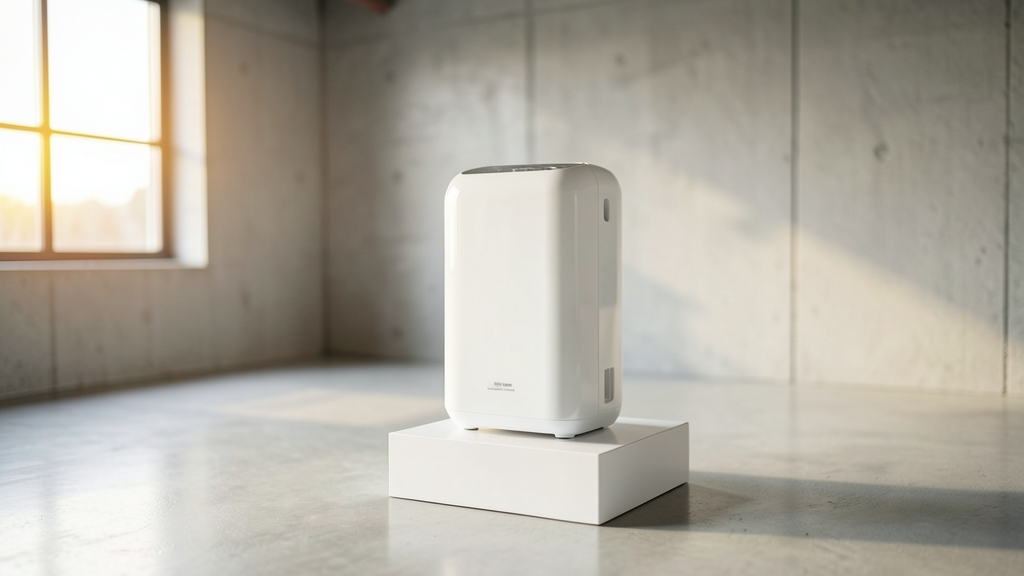
Control humidity religiously. Keep indoor levels between 30-50% with dehumidifiers, especially in basements and crawl spaces. In our climate, this is non-negotiable.
Inspect regularly for leaks—roofs, pipes, windows, and foundations. A small drip today becomes a mold colony tomorrow. Pay extra attention after heavy rains, common in Springfield Township and Mountainside.
Improve airflow. Use exhaust fans in bathrooms and kitchens, and ensure attics and crawl spaces are properly vented. Stagnant air is a mold magnet.
Clean and dry water-damaged areas within 24-48 hours. This window is critical to prevent spore germination. Use fans and dehumidifiers to speed up drying.
Install a sump pump with a battery backup in your basement. Power outages during storms (frequent in our area) can leave you vulnerable to flooding and mold.
The Don’ts: Mistakes That Invite Mold
Don’t ignore musty odors. That ‘old house smell’ is often mold hiding behind walls or under flooring. By the time you smell it, the problem is already established.
Avoid carpeting in basements or bathrooms. Carpets trap moisture, and once mold takes root in padding, it’s nearly impossible to fully remediate without removal.
Never paint over mold. This only hides the problem temporarily. The mold will continue growing beneath the surface, worsening structural and health risks.
Don’t DIY major mold removal. Disturbing large colonies without proper containment and PPE can spread spores and contaminate other areas. Leave significant infestations to professionals.
Bleach is not a mold killer on porous surfaces like drywall or wood. It only removes surface stains while the roots continue to grow. Use EPA-approved fungicides for remediation.
Seasonal Mold Prevention Checklist for New Providence
Each season brings unique challenges. Spring’s rain and melting snow can overwhelm drainage systems, while summer’s humidity demands constant vigilance.
Fall is the time to clean gutters and downspouts to prevent ice dams and water backup in winter. Winter itself requires monitoring for condensation on windows and in attics due to temperature differentials.
Seasonal Mold Prevention Tasks
- Spring: Inspect roof and gutters for winter damage; test sump pump
- Summer: Run dehumidifiers in basements/crawl spaces; check AC drip pans
- Fall: Clean gutters; seal gaps around windows and doors
- Winter: Monitor indoor humidity; check attics for ice dams or condensation
When to Call a Professional
If you see visible mold covering more than 10 square feet, it’s time to call in experts. Larger colonies often indicate hidden growth in walls or ductwork.
Persistent musty smells, water stains, or unexplained health symptoms (like allergies flaring up indoors) also warrant a professional mold inspection and air quality testing.
After any water damage—whether from a burst pipe, flood, or storm—have a mold remediation specialist assess the area. Even if it looks dry, moisture may linger in materials.
Homes in Berkeley Heights and Summit often have older plumbing and drainage systems. A pre-purchase mold inspection can save buyers from costly surprises.
Long-Term Solutions for Mold-Prone Homes
For chronic issues, consider permanent fixes. Install a French drain or improve grading around your foundation to divert water away from your home.
Encapsulate crawl spaces with a vapor barrier to block moisture from the ground. This is a game-changer for many local homes with dirt-floor crawl spaces.
Upgrade to energy-efficient, mold-resistant materials during renovations. Use moisture-resistant drywall (like green board) in bathrooms and basements, and consider sealed crawl space systems.
How to Inspect Your Home for Early Mold Signs
Catching mold early prevents costly remediation and health issues.
- 1Check for Visual Clues
Look for discolored patches (black, green, white, or gray) on walls, ceilings, or floors. Pay special attention to corners, under sinks, and around windows.
- 2Follow Your Nose
Mold often emits a musty, earthy odor. If you notice a persistent smell in a room or area, investigate further, even if you don’t see mold.
- 3Inspect for Water Damage
Look for water stains, peeling paint, or warped flooring. These are red flags for past or ongoing moisture issues that can lead to mold.
- 4Use a Moisture Meter
A inexpensive moisture meter can reveal hidden dampness in walls or floors. Readings above 20% indicate a problem that needs addressing.
- 5Examine HVAC and Ductwork
Remove vent covers and shine a flashlight into ducts. Look for dust buildup or dark spots, which may indicate mold growth in your system.
- 6Document and Act
Take photos of any suspicious areas and note their size and location. If the mold covers more than 10 square feet or keeps returning, contact a professional for mold testing and remediation.
Frequently Asked Questions
How quickly can mold grow after water damage in my New Providence home?
Mold can begin growing within 24-48 hours of water exposure, especially in warm, humid conditions. That’s why it’s critical to dry affected areas immediately and thoroughly. If the damage is extensive, professional water damage restoration may be necessary to prevent mold.
Are there specific mold risks in older homes in Summit or Berkeley Heights?
Older homes often have aging plumbing, poor ventilation, and outdated building materials that are more susceptible to moisture. Many lack vapor barriers in crawl spaces or proper grading around foundations, making them more prone to mold. A thorough mold inspection can identify these vulnerabilities.
Can I use a regular air purifier to prevent mold?
Standard air purifiers can help reduce airborne spores, but they won’t address the root cause of mold growth—excess moisture. For effective prevention, combine air purification with humidity control and proper ventilation. HEPA filters are best for capturing mold spores.
What’s the difference between mold testing and mold inspection?
Mold inspection is a visual and physical assessment of your home to identify mold growth, water damage, and conditions conducive to mold. Mold testing involves collecting air or surface samples to determine the type and concentration of mold spores present. Both are often used together for a comprehensive analysis.
Is mold in my crawl space a big deal if it’s not in my living area?
Yes. Mold in crawl spaces can spread spores through your home’s HVAC system or through small gaps in the floor. It can also weaken structural supports and lead to costly repairs. Crawl space mold remediation often involves encapsulation and moisture control to prevent recurrence.
How do I know if my basement needs professional mold remediation?
If you see large areas of mold (more than 10 square feet), experience persistent musty odors, or have had water damage that wasn’t properly dried, it’s time to call a professional. DIY efforts can disturb spores and worsen the problem. A mold remediation expert will contain, remove, and treat the area safely.