Humidity Control 101: Keeping Mold at Bay in New Providence
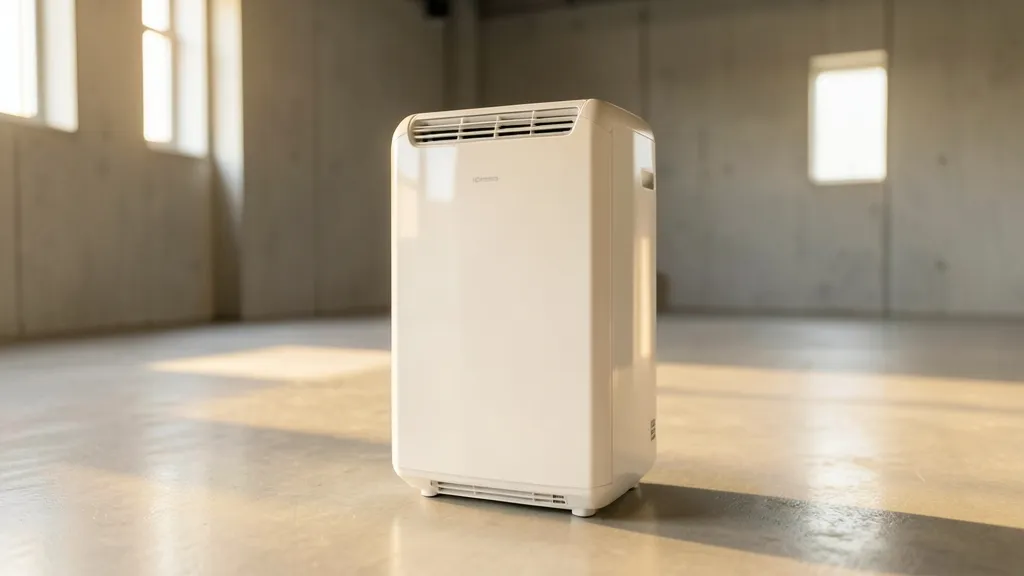
Mold thrives where moisture lingers, and in our region’s humid summers and damp springs, that’s a year-round risk. We’ve seen firsthand how unchecked humidity turns basements in Berkeley Heights and attics in Summit into mold hotspots—long before homeowners notice the musty smell or dark staining.
Why Humidity Fuels Mold Growth in Local Homes
Mold spores are everywhere, but they only colonize when relative humidity (RH) stays above 60% for 24–48 hours. Our climate—with its wet springs, muggy summers, and occasional basement flooding—creates ideal conditions for spores to take hold on drywall, wood, and even HVAC ductwork.
Neighborhoods near the Passaic River or older homes in Springfield Township often battle chronic dampness. Even newer builds in Mountainside aren’t immune if drainage is poor or vapor barriers fail.
The Hidden Signs of Excess Moisture
Peeling paint, warped trim, and condensation on windows are red flags. But mold often starts unseen—behind baseboards, under carpet padding, or inside wall cavities where leaks or poor ventilation trap moisture.
A musty odor is your first warning. By the time you see black, green, or white staining, the colony may already be spreading. That’s why we always pair visual inspections with moisture meters and thermal imaging.
Concrete is porous. Without proper sealing or a vapor barrier, ground moisture wicks upward, feeding mold on stored items and framing. We’ve remediated entire basements in New Providence where the issue started with a single undetected leak.
Humidity Thresholds: What’s Safe vs. Risky
The EPA recommends keeping indoor RH between 30–50% to inhibit mold growth. Above 60%, and you’re in the danger zone—especially in poorly ventilated spaces like crawl spaces or attics.
Outdoor humidity in our area often exceeds 70% in summer. Without dehumidifiers or air conditioning, indoor levels can match that within hours.
| RH Range | Mold Risk | Action Needed |
|---|---|---|
| Below 30% | Low | Add moisture if needed for comfort |
| 30–50% | Minimal | Ideal; maintain with ventilation |
| 50–60% | Moderate | Monitor; improve airflow |
| Above 60% | High | Dehumidify immediately; inspect for leaks |
Tools of the Trade: Measuring and Controlling Humidity
A $20 hygrometer gives you real-time RH readings, but for whole-home assessment, we use calibrated moisture meters to detect hidden dampness in materials. These tools spot trouble before mold becomes visible.
Dehumidifiers are non-negotiable in basements and crawl spaces. Look for units with built-in pumps if you lack floor drains—common in older New Providence homes. HEPA air purifiers help capture airborne spores during remediation.
Position dehumidifiers near moisture sources (e.g., sump pits, laundry rooms) and ensure they drain to a sink, floor drain, or condensate pump. Emptying tanks manually is unreliable long-term.
Targeted Solutions for Problem Areas
Basements and crawl spaces need encapsulation with vapor barriers and, in severe cases, interior French drains or sump pumps. We’ve waterproofed dozens of basements in Berkeley Heights where groundwater seepage was the root cause.
Attics require balanced ventilation. Blocked soffit vents or inadequate ridge vents trap heat and moisture, leading to mold on sheathing and insulation. In Summit’s historic homes, we often find attic mold tied to outdated roofing or missing baffles.
Crawl Space Moisture Control Checklist
- Install a 10–12 mil vapor barrier over dirt floors
- Seal all vents and gaps to outside air
- Add a dehumidifier sized for the space (minimum 30–50 pints/day)
- Insulate walls, not floors, to prevent condensation
- Grade soil away from foundation to divert water
HVAC Systems: Your First Line of Defense
A well-maintained HVAC system removes 5–10 gallons of moisture daily from indoor air. But clogged filters or dirty coils reduce efficiency and can even spread mold spores if ducts are contaminated.
We recommend annual duct inspections, especially after water damage. In commercial properties, we often find mold in ductwork due to poor filtration or condensation from temperature differentials.
When to Call in the Pros for Mold Remediation
DIY fixes like scrubbing visible mold with bleach (which only bleaches the surface) or running a fan on wet drywall often make problems worse. If mold covers more than 10 square feet, or if it’s in HVAC systems, professional remediation is critical.
Our team uses containment barriers, HEPA vacuums, and antimicrobial treatments to ensure spores don’t spread during removal. Post-remediation testing verifies the air is safe—something no home test kit can confirm.
Long-Term Prevention: Habits That Keep Mold Out
Run bathroom and kitchen exhaust fans for 20–30 minutes after use. In older homes without fans, crack a window or add a portable dehumidifier to high-moisture rooms.
Inspect roofs, gutters, and downspouts seasonally. Clogged gutters in Mountainside or improper grading in Springfield Township send water straight to your foundation. Store firewood and organic materials away from exterior walls to reduce moisture and pest risks.
How to Inspect for Hidden Moisture Before Mold Strikes
Catching moisture early prevents costly remediation later.
- 1Gather Tools
Use a moisture meter (pin or pinless) and a hygrometer. A flashlight and thermal camera (optional) help spot cold spots where condensation forms.
- 2Check Basement and Crawl Spaces
Test concrete walls and floors for elevated moisture (above 20%). Look for efflorescence—a white, chalky residue indicating water movement through masonry.
- 3Inspect Attics and Walls
Probe insulation and wood framing. Dark stains or soft spots signal past or ongoing leaks. Pay attention to areas near plumbing, chimneys, or roof valleys.
- 4Test HVAC and Ductwork
Run your system and check for condensation on ducts or around vents. Musty odors from registers often mean mold inside the system.
- 5Monitor Problem Areas
Place hygrometers in basements, bathrooms, and laundry rooms. Log readings for a week to identify patterns tied to weather or daily activities.
- 6Document and Act
Note all readings and observations. If moisture exceeds safe levels, address the source (leaks, poor ventilation) and request a quote for remediation if mold is present.
Frequently Asked Questions
How do I know if my New Providence home’s humidity is causing mold?
Persistent musty odors, condensation on windows, or visible mold are clear signs. Less obvious clues include peeling paint, warped wood, or allergies that worsen at home. A moisture meter or professional inspection can confirm hidden issues.
Can a dehumidifier alone solve a mold problem?
A dehumidifier helps prevent mold by controlling moisture, but it won’t kill existing colonies. If mold is already present, you’ll need remediation to remove it safely, followed by humidity control to prevent recurrence.
Why is mold more common in basements in Berkeley Heights and Summit?
Older homes in these areas often have stone or brick foundations that wick ground moisture. Poor drainage, lack of vapor barriers, and high water tables exacerbate the issue. Without encapsulation or waterproofing, basements stay damp year-round.
What’s the difference between mold testing and mold inspection?
An inspection visually assesses for mold, moisture sources, and damage. Testing (air or surface samples) identifies mold types and spore counts, which is critical for post-remediation verification or if health concerns exist. We often combine both for a thorough assessment.
How often should I check my crawl space for mold?
Inspect your crawl space at least twice a year—spring and fall. After heavy rains or if you notice musty smells, check immediately. Crawl spaces in Springfield Township and Mountainside are prone to moisture due to clay soil and poor drainage.
Does homeowners insurance cover mold remediation in New Jersey?
Coverage varies. Most policies exclude mold unless it’s a direct result of a covered peril (e.g., a burst pipe). Document the cause and act quickly—delaying can void claims. Always request a quote from a remediation specialist to understand costs upfront.