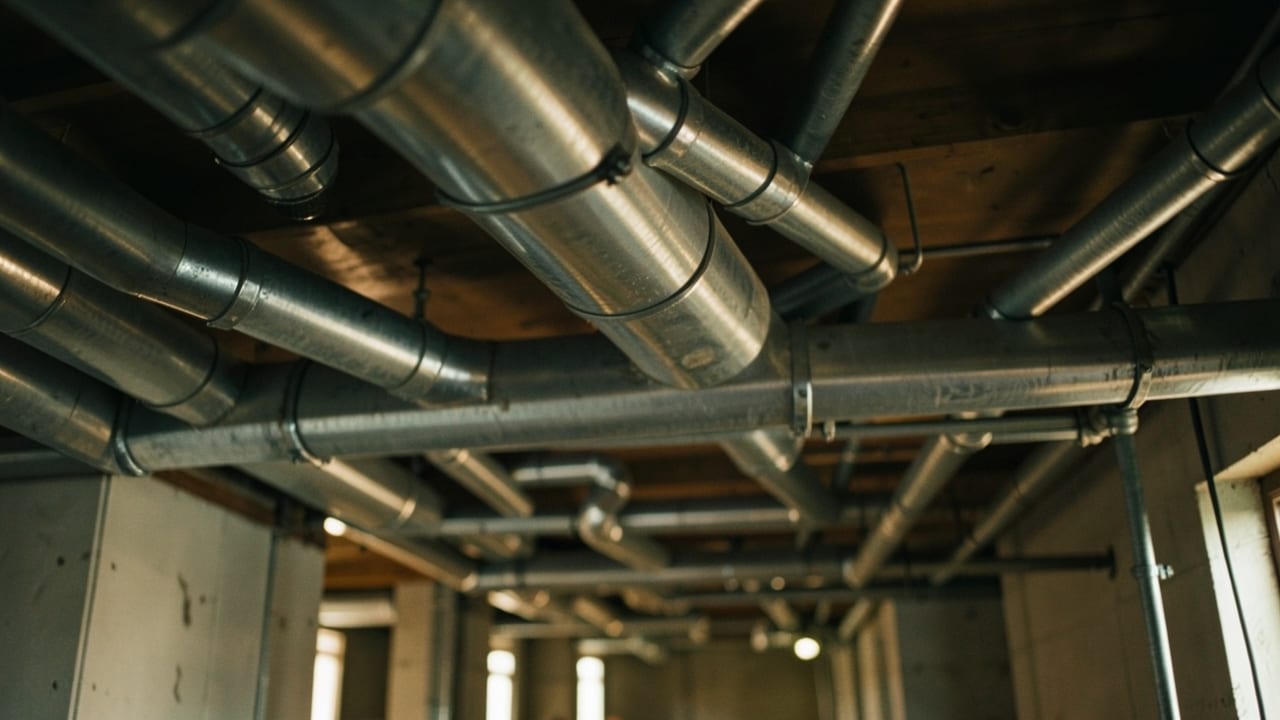
Metal Ductwork Mold Remediation
Professional removal of mold from metal ductwork to restore indoor air quality.
Metal ductwork mold remediation in New Providence, NJ targets hidden mold growth inside HVAC systems, where spores spread through air ducts and contaminate every room your home’s airflow reaches.
This specialized process restores clean, safe air circulation by removing existing mold and addressing moisture sources that cause regrowth—helping protect your family’s health and maintaining efficient heating and cooling.
We also handle Mold Testing & Air Quality Testing and Mold Removal & Remediation for New Providence properties.
When metal ductwork mold remediation is needed
Mold in metal ductwork often goes unnoticed until it spreads, but certain signs indicate it’s time for professional intervention. Musty odors that worsen when the HVAC runs, visible mold in vents, or repeated growth in the same area after cleaning are red flags.
Since ductwork carries spores throughout your home, ignoring it risks contamination in bedrooms, bathrooms, and living spaces—areas where families spend the most time.
Hidden moisture sources, like condensation buildup or leaks near ducts, fuel mold regrowth. Rooms with poor airflow—such as windowless bathrooms or basements—are especially vulnerable.
If you’ve noticed black, green, or brown stains on ductwork or a persistent damp smell in your vents, the mold may already be embedded in the system, requiring professional remediation to prevent further spread.
Signs Your Ductwork Needs Mold Remediation
- Musty smells that get stronger when the HVAC system turns on (ductwork is a common hidden source).
- Visible mold growth inside vents, along duct seams, or on air handler components.
- Repeated mold regrowth in the same spot after cleaning—indicates an unresolved moisture issue.
- Dark stains or discoloration on metal ducts, insulation, or surrounding surfaces.
- Health symptoms like coughing, sneezing, or skin irritation that improve when away from home.
What affects pricing and scope
The cost of metal ductwork mold remediation depends on the size of your duct system, the extent of contamination, and whether hidden mold is found during inspection. Unlike surface cleaning, ductwork remediation involves containment, HEPA filtration, and structural drying—steps that ensure spores don’t spread while work is underway.
Prices also vary based on whether the job includes clearance testing to confirm the mold is fully removed.
Additional factors like the need to replace porous materials (e.g., insulation) or repair damaged ductwork can increase costs. Since mold often hides behind walls or ceilings, unexpected findings during demolition may require adjustments to the original estimate. Always ask for a written scope of work upfront to avoid surprises.
Why containment and testing matter
Skipping proper containment during ductwork remediation risks spreading spores to unaffected areas of your home. Plastic sheeting and negative-air machines create a sealed work zone, preventing disturbed spores from drifting into living spaces.
Without this step, a contained job can quickly become a full-house contamination issue, requiring more extensive—and costly—cleanup later.
Clearance testing after remediation is the only way to confirm mold levels are back to normal. Independent air or surface sampling, conducted by a third party, verifies that the work was effective. Some remediation methods skip this step, leaving no proof the problem is resolved.
In New Jersey, where mold licensing rules vary by state, ensuring your contractor follows proper protocols protects your investment and health.
A breach in containment—such as an open door or torn plastic—can turn a small remediation job into a full-house contamination issue. Always verify that the crew maintains negative air pressure and seals off the work area completely.
How metal ductwork mold remediation works
- 1Containment Setup
Plastic sheeting and negative-air machines seal off the work area, creating a contained zone where disturbed spores stay trapped instead of spreading through your home’s air or HVAC returns.
- 2Removal and Cleaning
Porous materials like insulation or drywall that absorb mold are cut out and bagged, while non-porous surfaces (e.g., metal ducts) are scrubbed with antimicrobial treatments. HEPA-filtered vacuums and air scrubbers run continuously to capture airborne spores.
- 3Structural Drying
Industrial dehumidifiers and air movers dry framing and subfloors to prevent moisture buildup, which is the primary cause of mold regrowth. Proper drying ensures the treated area stays mold-free after remediation.
- 4Clearance Testing
An independent lab tests air or surfaces post-remediation to confirm spore levels are within normal ranges. This step is critical to verify the work was effective and the contamination is fully resolved.
Frequently asked questions
How do I know if my ductwork mold issue is serious enough to need professional remediation?
If mold covers more than a small, isolated patch (e.g., over 25 square feet), keeps returning after cleaning, or you notice musty smells linked to your HVAC system, it’s likely beyond DIY solutions. Hidden moisture sources—like leaks or condensation—often fuel regrowth, making professional intervention necessary.
Will the remediation process disrupt my home’s airflow while it’s being done?
Yes, but only temporarily. The work area is sealed off during remediation, and the HVAC system is typically turned off to prevent spores from spreading. After containment is removed and clearance testing confirms safety, airflow is restored.
What happens if hidden mold is found during the remediation process?
If additional mold is discovered behind walls or in hard-to-reach areas, the scope of work may expand to include removal and treatment of those areas. Always ask for a written scope upfront to avoid unexpected costs.
How can I prevent mold from coming back in my ductwork after remediation?
Fixing the moisture source (e.g., leaks, poor ventilation) is the best prevention. Post-remediation, monitor humidity in affected areas and use dehumidifiers or fans in persistently damp spaces. Regular HVAC maintenance also helps catch issues early.
Where New Providence sits, and what the Census lists nearby
New Providence sits in New Jersey, and the closest places listed in the U.S. Census Gazetteer are Summit (2.5 miles northeast), Gillette (2.6 miles west), Mountainside (2.7 miles southeast), Chatham (3.1 miles north). Within 25 miles of New Providence the same source lists 251 distinct incorporated places and census-designated places.
Those figures matter for metal ductwork mold remediation because they are straight-line distances between Census coordinate points: road mileage between New Providence and Summit runs longer than the 2.5 miles shown, which is why quotes for the same job differ between towns that look close together on a map.
Source: U.S. Census Bureau Gazetteer.
See Lyons, NJ for more, or see the full mold remediation lineup we run in New Providence from start to finish for our complete lineup.
Ready to get started?
Talk to a local mold remediation pro in New Providence — get a written quote.
Other Mold Remediation Services in New Providence
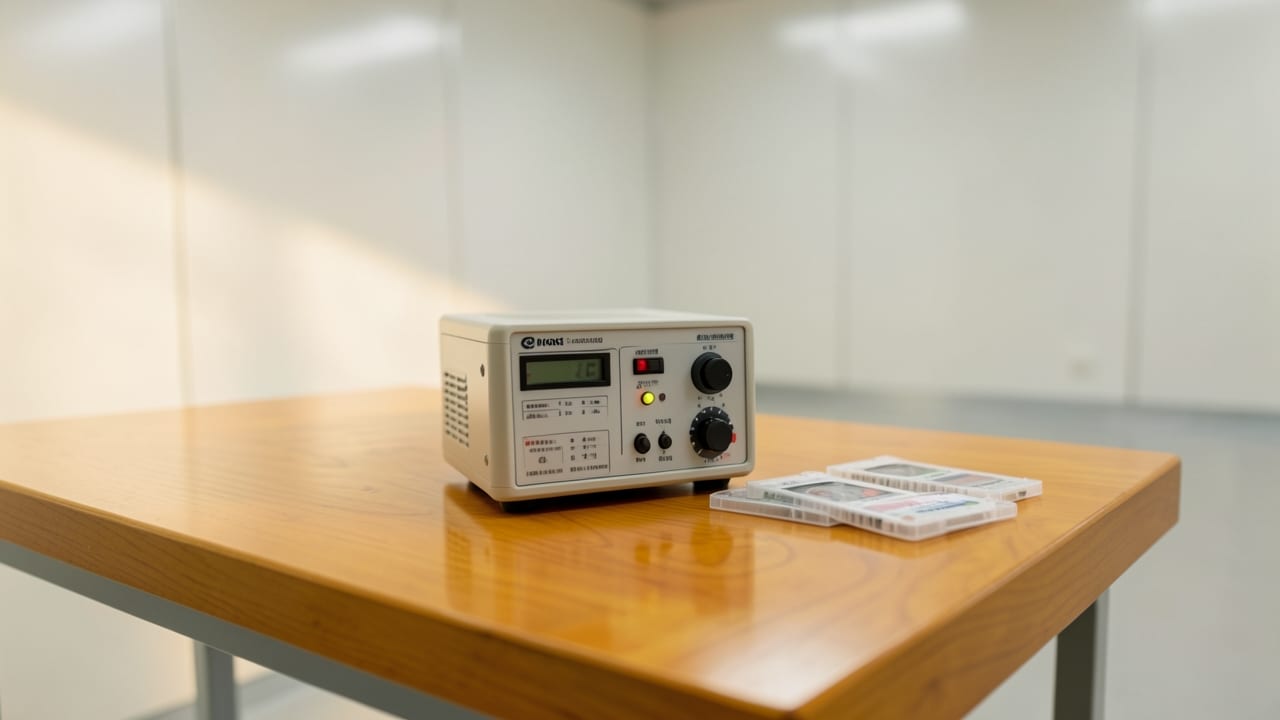
Mold Testing & Air Quality Testing in New Providence, NJ
Mold and indoor air quality testing in New Providence, NJ — lab-analyzed air and surface samples confirm what's actually growing and whether it's airborne.
Learn More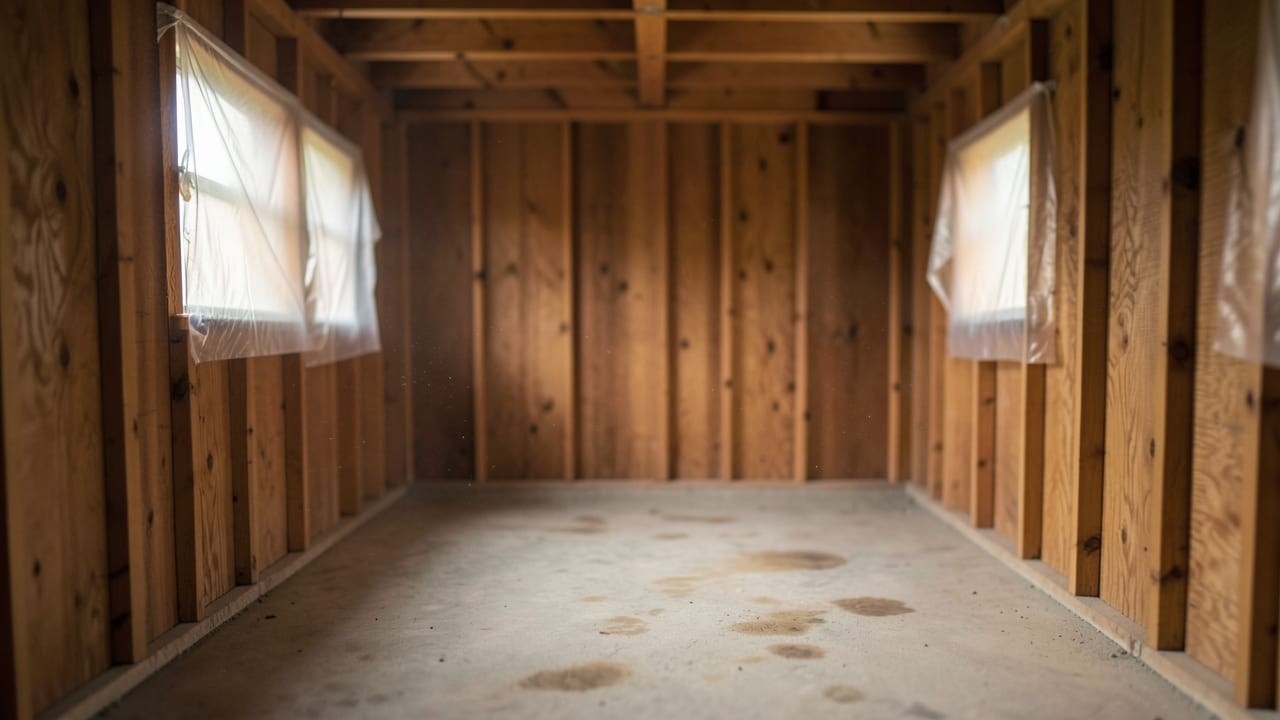
Mold Removal & Remediation in New Providence, NJ
Mold removal and remediation in New Providence, NJ — containment, HEPA filtration, and removal of affected material following industry (IICRC S520) protocol.
Learn More
Water Damage Restoration in New Providence, NJ
Water damage restoration in New Providence, NJ — extraction and structural drying to stop mold growth before it starts, following a leak, storm, or flood.
Learn More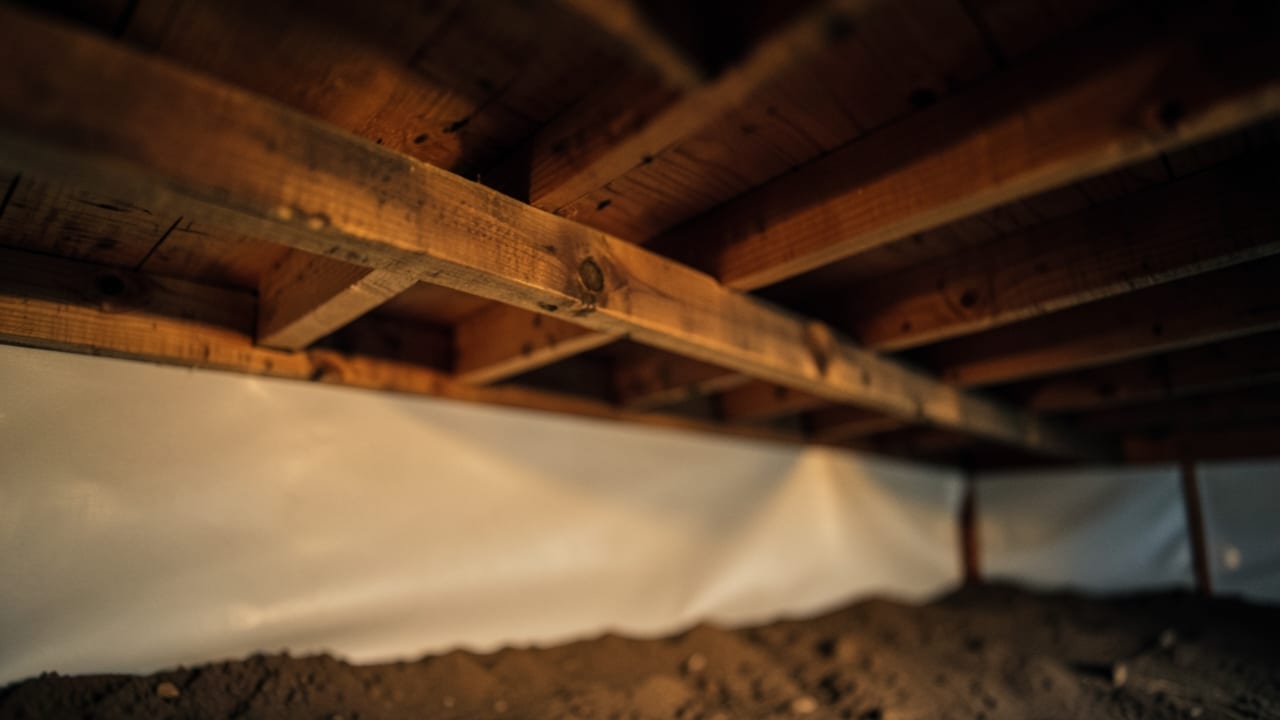
Crawl Space & Basement Mold Remediation in New Providence, NJ
Crawl space and basement mold remediation in New Providence, NJ addresses the two areas of a property most prone to trapped, unnoticed moisture.
Learn More
Attic Mold Remediation in New Providence, NJ
Attic mold remediation in New Providence, NJ addresses roof-deck growth typically caused by poor ventilation or a hidden roof leak.
Learn More
Commercial Mold Remediation in New Providence, NJ
Commercial mold inspection and remediation in New Providence, NJ for offices, retail space, and multi-unit properties, scheduled around business operations.
Learn MoreCommon Questions About Mold Remediation in New Providence
Everything you need to know about mold remediation services in New Providence
How much does Metal Ductwork Mold Remediation typically cost in New Providence, NJ?
Why does New Providence, NJ's humidity make mold a bigger risk than in drier regions?
Is it safe to stay in the home during mold remediation?
Can small mold problems be handled without hiring anyone?
What's the actual difference between mold removal and mold remediation?
Is a final clearance test part of a typical mold remediation job?
Need Mold Remediation in New Providence?
Connect with local providers in New Providence for a detailed quote.
⏰ We answer your call • Serving all of New Providence and surrounding areas