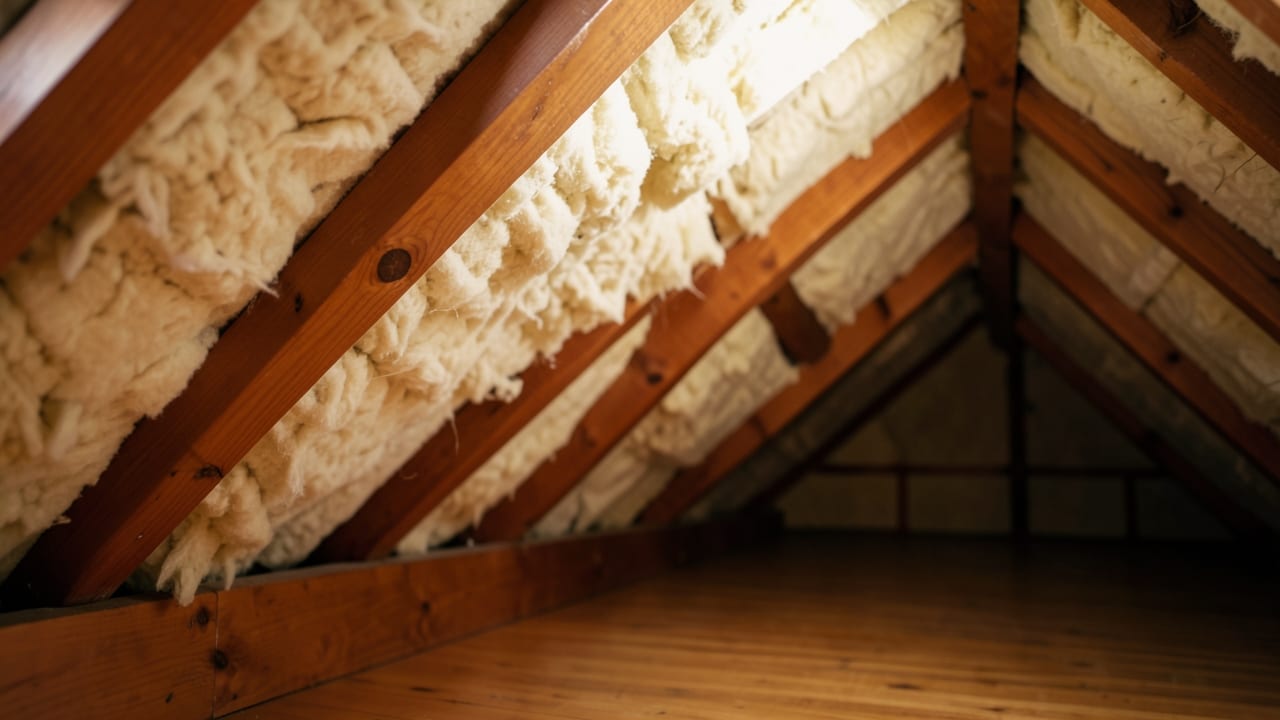
Roof Leak Mold Remediation
Professional removal of mold caused by roof leaks to restore a safe, healthy home environment.
In New Providence, NJ, roof leaks often lead to hidden mold growth that spreads quickly through attics, ceilings, and walls. Roof leak mold remediation targets the source by containing the affected area, removing contaminated materials, and fixing moisture issues to prevent regrowth.
Proper cleanup restores air quality and protects your home’s structural integrity.
We also handle Gym Mold Remediation and Fire Smoke Mold Remediation for New Providence properties.
When roof leak mold needs professional help
Mold from a roof leak often starts small but can spread rapidly if moisture keeps feeding it. A patch larger than a few square feet, recurring growth after cleaning, or a musty smell with no visible mold are clear signs the problem is beyond DIY fixes.
Hidden mold—behind walls, under flooring, or inside ductwork—requires professional tools and containment to avoid spreading spores throughout your home.
New Jersey law requires mold remediation contractors to register as Home Improvement Contractors (HIC) with the state, ensuring they carry proper insurance and follow safety protocols. Skipping containment or clearance testing can leave spores airborne, turning a contained job into a larger issue.
A licensed professional addresses both the mold *and* the leak to prevent regrowth.
Signs Your Roof Leak Mold Needs Remediation
- Mold covers more than 10–25 contiguous square feet (beyond typical DIY cleanup limits).
- Growth keeps returning in the same spot after cleaning, signaling an unfixed moisture source.
- A musty smell persists with no visible mold—often indicates hidden growth behind walls or under flooring.
- Visible mold appears in multiple rooms, suggesting spores have spread through HVAC or open doorways.
What affects cost and timeline
The size of the affected area, type of mold, and whether hidden growth is found during removal all influence pricing. Black mold (Stachybotrys) typically costs more to treat due to stricter cleanup protocols.
Structural drying and containment add time but are critical to preventing regrowth. Most jobs in New Providence range from a few hundred to several thousand dollars, depending on scope.
Clearance testing—required to confirm the job is complete—is often billed separately. A low estimate that excludes containment or testing may leave spores active, requiring repeat work. Always ask for a written scope detailing what’s included before work begins.
Common mistakes to avoid
Using standard shop vacuums or non-HEPA air scrubbers recirculates spores instead of capturing them, worsening contamination. Skipping containment—like leaving doors open or tearing plastic sheeting—lets spores drift into unaffected areas. Without fixing the roof leak or moisture source, mold will return within months, often in the same spot.
Pressure to sign a contract during the inspection visit or pay in full upfront are red flags. Legitimate quotes include a detailed scope of work and separate containment/testing costs. Always verify the contractor’s HIC registration with the NJ Division of Consumer Affairs.
Avoid bids that exclude containment, clearance testing, or a written scope. Verbal estimates without itemized costs can lead to unexpected charges once work begins.
How roof leak mold remediation works
- 1Containment Setup
Plastic sheeting and negative-air machines seal the work area to trap spores. This prevents them from spreading to hallways, HVAC systems, or other rooms during removal.
- 2Material Removal and Cleaning
Porous materials like drywall and insulation, which absorb mold, are cut out and bagged. Non-porous surfaces (framing, tile) are scrubbed and treated to kill remaining spores.
- 3Structural Drying
Industrial dehumidifiers and air movers dry framing and subfloors to normal moisture levels. Mold regrows on damp materials even after visible traces are removed.
- 4HEPA Filtration
HEPA air scrubbers and vacuums run continuously to capture airborne spores. Standard filters let spores pass back into the air, undermining the cleanup.
- 5Clearance Testing
An independent lab tests air or surfaces post-remediation to confirm spore counts are back to normal levels before containment is removed.
Frequently asked questions
How do I know if my roof leak mold is hidden behind walls or under flooring?
A musty smell with no visible mold, or a smell that worsens when the HVAC runs, often indicates hidden growth. Professionals use moisture meters and infrared cameras to locate trapped moisture before demolition begins.
Can I clean small mold patches myself, or should I call a professional?
Mold covering less than 10 square feet and with no hidden moisture source *may* be cleaned with HEPA vacuums and EPA-approved cleaners. Growth larger than 25 square feet, recurring mold, or hidden leaks require professional remediation to prevent spread.
Why does my insurance not cover mold remediation after a roof leak?
Most homeowners’ policies exclude mold damage unless it’s from a sudden, accidental event like a storm. Roof leaks are typically considered preventable wear, so coverage depends on your policy’s specific wording. Document the leak and mold growth for claims.
How long does it take to remediate roof leak mold, and when can I move back in?
Containment, removal, and drying usually take 2–5 days, depending on the size. Clearance testing adds 1–3 days. You can return to unaffected areas immediately, but the remediated space should only be reoccupied after testing confirms safe spore levels.
Where New Providence sits, and what the Census lists nearby
New Providence sits in New Jersey, and the closest places listed in the U.S. Census Gazetteer are Summit (2.5 miles northeast), Gillette (2.6 miles west), Mountainside (2.7 miles southeast), Chatham (3.1 miles north). Within 25 miles of New Providence the same source lists 251 distinct incorporated places and census-designated places.
Those figures matter for roof leak mold remediation because they are straight-line distances between Census coordinate points: road mileage between New Providence and Summit runs longer than the 2.5 miles shown, which is why quotes for the same job differ between towns that look close together on a map.
Source: U.S. Census Bureau Gazetteer.
See Mountainside, NJ for more, or take a look at every option available in New Providence side by side for our complete lineup.
Ready to get started?
Talk to a local mold remediation pro in New Providence — get a written quote.
Other Mold Remediation Services in New Providence
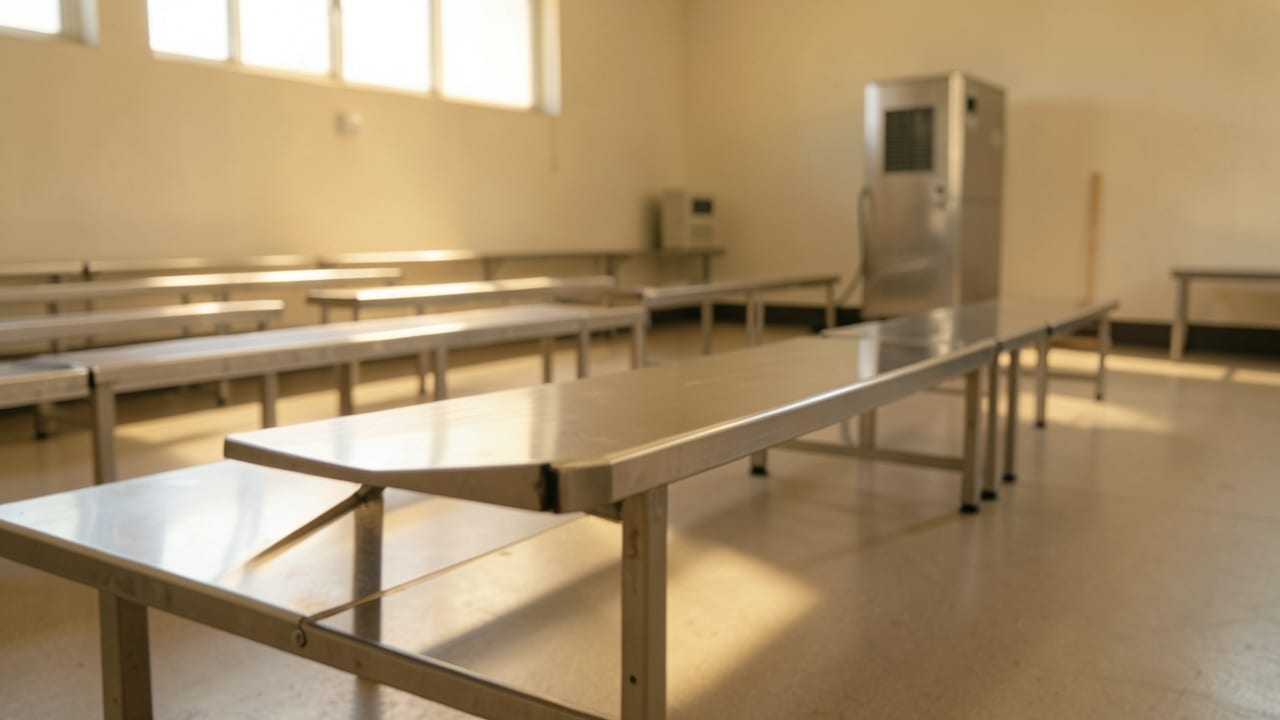
Gym Mold Remediation in New Providence, NJ
Professional removal and treatment of mold in gyms to restore safe, clean environments.
Learn More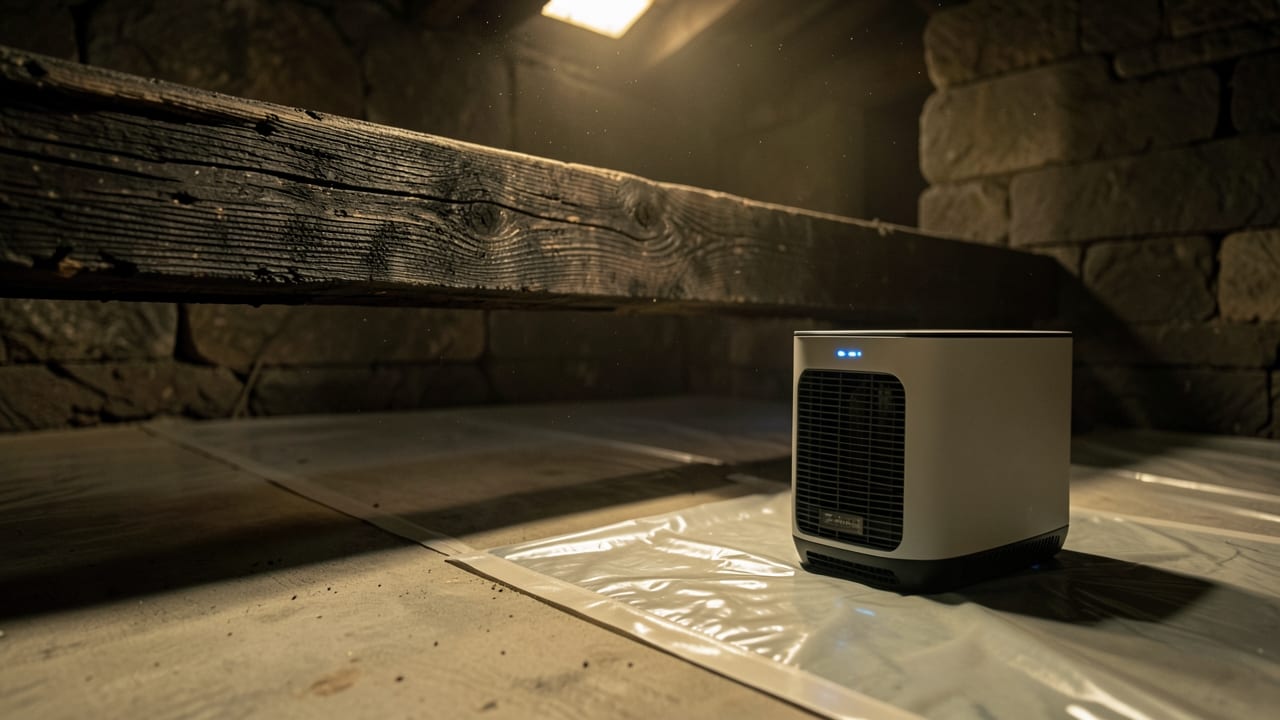
Fire Smoke Mold Remediation in New Providence, NJ
Professional cleanup and restoration of fire, smoke, and mold damage in homes.
Learn More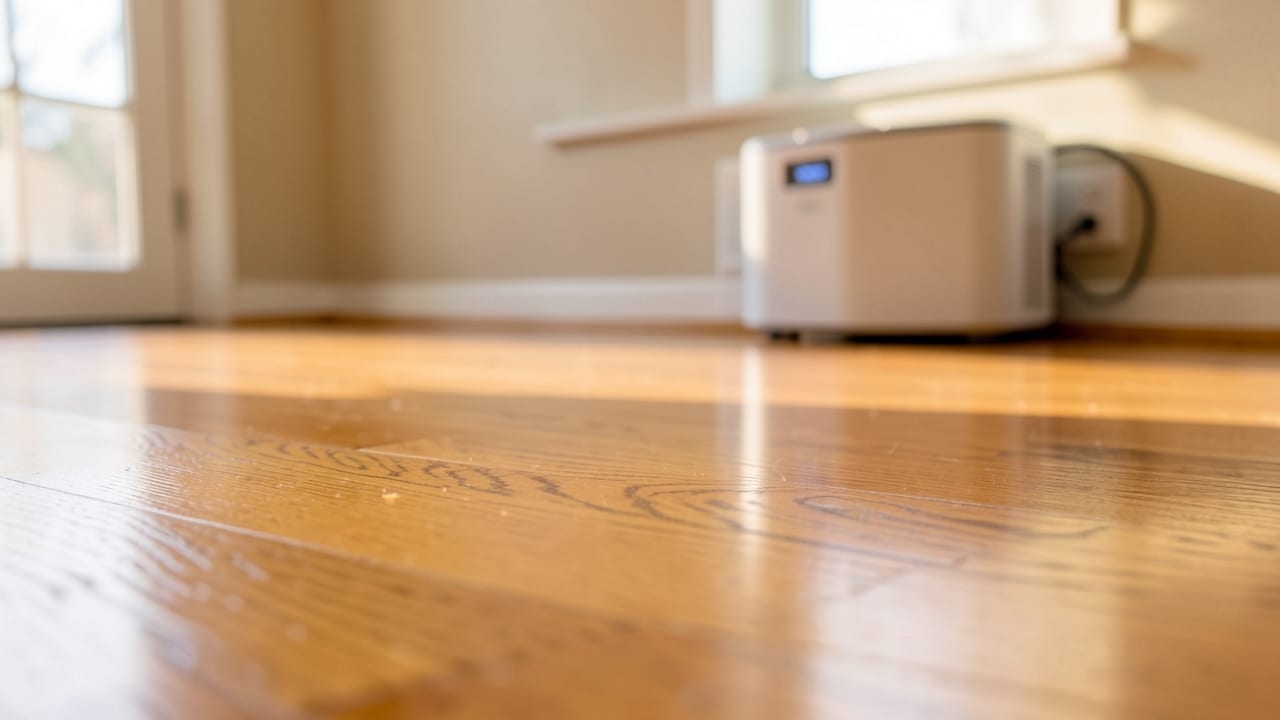
Pet Urine Mold Treatment in New Providence, NJ
Professional removal of mold caused by pet urine in homes, including assessment and treatment.
Learn More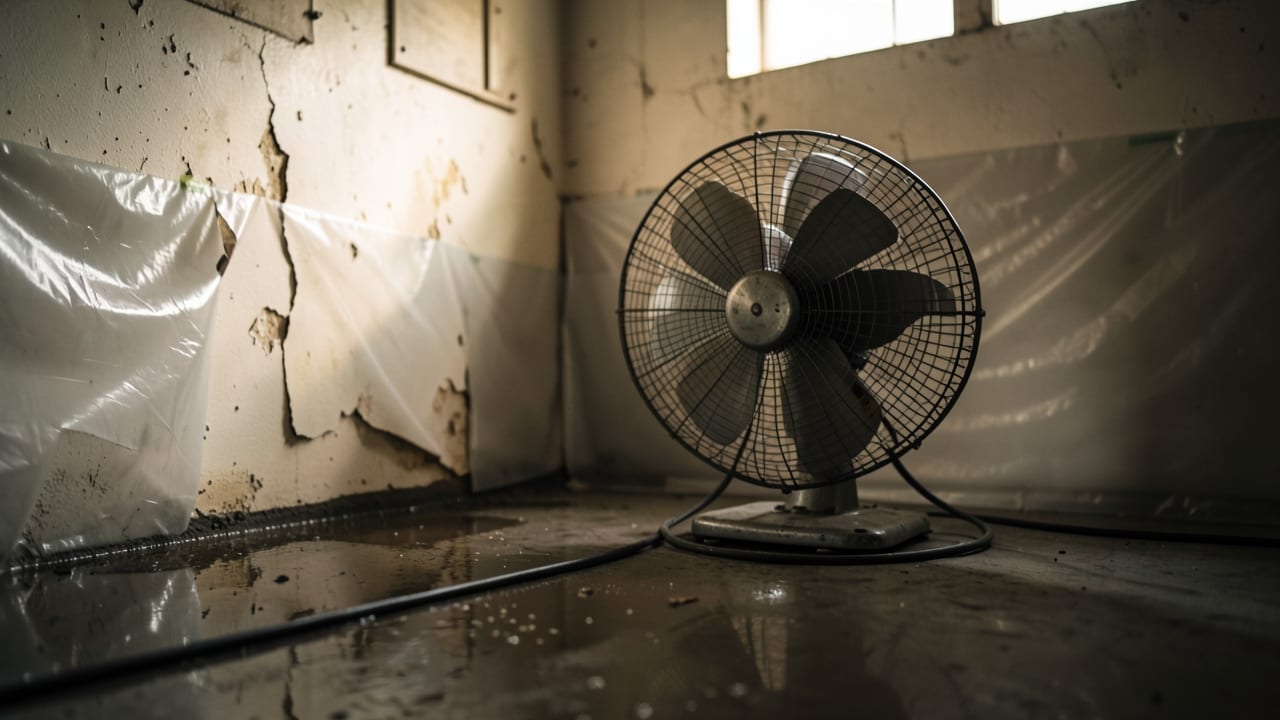
Storm Damage Mold Cleanup in New Providence, NJ
Professional cleanup and remediation of mold caused by storm-related water damage in homes.
Learn More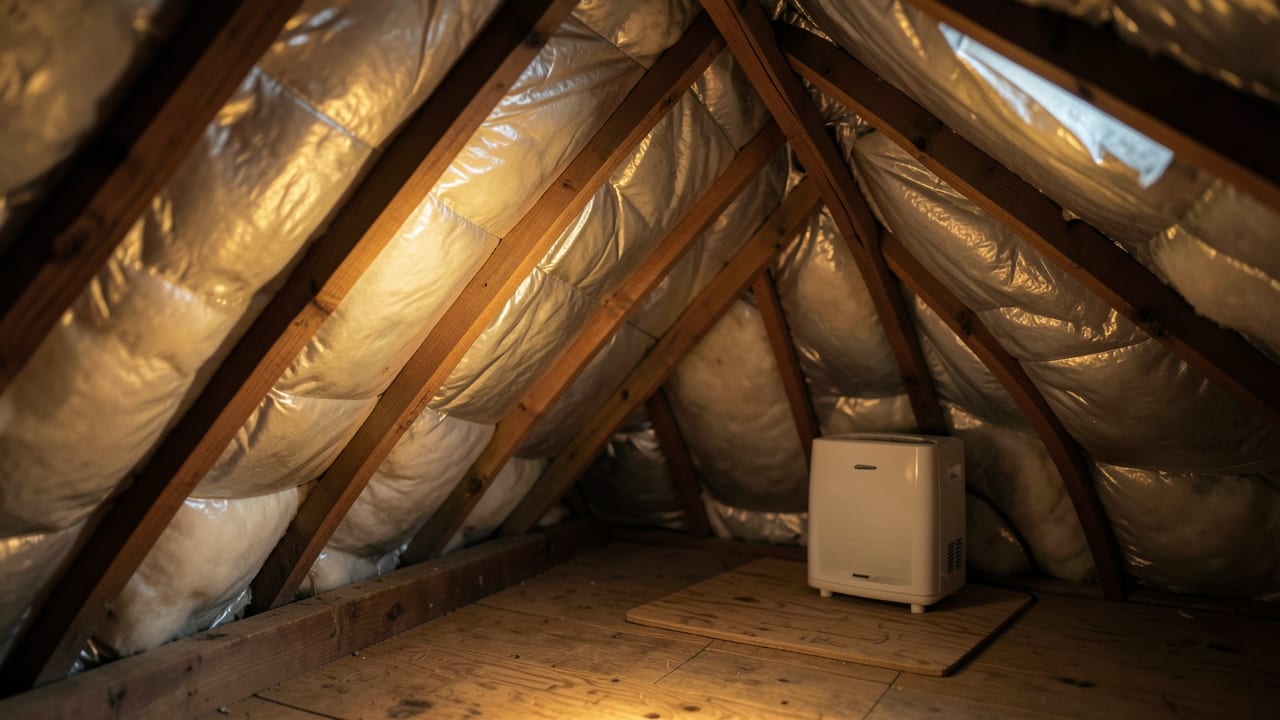
Pre-Winter Mold Prevention in New Providence, NJ
Pre-winter mold prevention involves inspection and treatment to stop mold growth before cold weather.
Learn More
Pre-Sale Mold Clearance in New Providence, NJ
Pre-sale mold clearance involves inspection and testing to confirm a property is mold-free before purchase.
Learn MoreCommon Questions About Mold Remediation in New Providence
Everything you need to know about mold remediation services in New Providence
How much does Roof Leak Mold Remediation typically cost in New Providence, NJ?
Why does New Providence, NJ's humidity make mold a bigger risk than in drier regions?
Can mold growing inside HVAC ductwork spread to the rest of a home?
Does mold mean the same thing as mildew?
Does homeowners insurance typically cover mold remediation?
Is black mold actually more dangerous than other mold types?
Need Mold Remediation in New Providence?
Connect with local providers in New Providence for a detailed quote.
⏰ We answer your call • Serving all of New Providence and surrounding areas