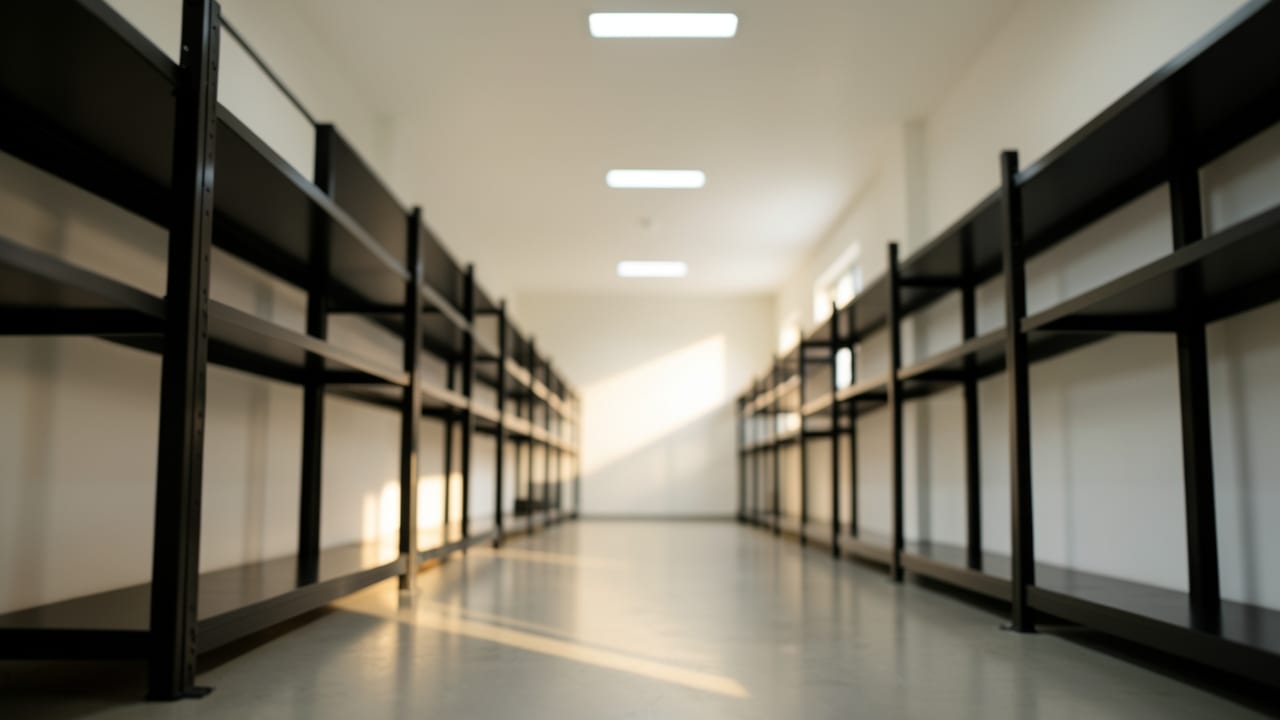
Retail Store Mold Remediation
Professional mold removal and remediation for retail stores to restore safe, clean environments.
Mold in New Providence homes often hides behind walls, under flooring, or inside HVAC systems, spreading spores through the air when disturbed. Retail store mold remediation techniques—like containment, HEPA filtration, and moisture control—apply directly to private homes.
These methods safely remove mold growth, prevent spore spread, and address the moisture source to help stop regrowth. If mold covers more than a small area, keeps returning, or smells musty despite no visible signs, professional remediation is typically recommended.
We also handle Mold Prevention & Moisture Control and Mold & Asbestos Testing for New Providence properties.
When mold in your home needs professional help
Some mold problems are manageable with cleaning supplies and a damp cloth, but others require professional remediation. The key signs include mold covering more than a few square feet, persistent regrowth after cleaning, or a musty smell with no visible source.
Hidden mold—like that behind walls or inside ductwork—often spreads quietly until it’s too late to contain. If your home has these issues, professional remediation is usually the safest and most effective next step.
New Jersey does not require a specialized mold remediation license, but contractors performing this work must register annually as a Home Improvement Contractor (HIC) with the state. This registration ensures they carry at least $500,000 in liability insurance, a requirement you can verify before hiring.
Signs Your Home Needs Mold Remediation
- Mold covers more than 25 contiguous square feet (a common threshold for professional work).
- The same patch of mold keeps returning after cleaning, even with surface treatments.
- You notice a musty smell with no visible mold, especially when the HVAC system runs.
- Mold appears in multiple rooms or keeps spreading despite containment efforts.
What affects the cost and timeline of mold remediation?
Mold remediation pricing in New Providence depends on the size of the affected area, the type of materials involved, and whether hidden growth is discovered during the process. Containment, HEPA filtration, and clearance testing are typically priced separately, so a low initial estimate may not cover everything.
Complex jobs—like those involving structural drying or HVAC system treatment—can take longer and cost more.
Most homeowners pay per project after an inspection, not by a flat rate. The total cost varies based on square footage, whether the work disrupts daily life, and the need for additional services like moisture source repairs. Always ask for an itemized scope of work to avoid unexpected charges later.
What to expect during the remediation process
Professional remediation starts with containment—sealing off the affected area with plastic sheeting and negative-air machines to prevent spores from spreading. Porous materials like drywall or insulation are often removed rather than cleaned, while non-porous surfaces are scrubbed and treated.
HEPA air scrubbers run continuously to capture airborne spores, and industrial drying equipment ensures moisture levels return to normal before the space is restored.
Clearance testing by an independent lab confirms the work is complete, but even then, regrowth can occur if the moisture source isn’t fixed. A small dehumidifier or fan in persistently damp rooms can help prevent future issues.
Skipping containment or using non-HEPA filtration recirculates spores instead of capturing them. Paying upfront without a written scope leaves no recourse if the work isn’t completed as promised. Always verify the contractor’s HIC registration and insist on clearance testing before final payment.
How mold remediation works in your home
Professional remediation follows strict steps to safely remove mold and prevent regrowth.
- 1Containment
The affected area is sealed with plastic sheeting and negative-air machines to trap spores and prevent them from spreading to other parts of the home.
- 2Removal and Treatment
Porous materials like drywall or carpet padding are cut out and disposed of, while non-porous surfaces are scrubbed and treated with antimicrobial solutions.
- 3HEPA Filtration and Drying
HEPA air scrubbers run continuously during the process, and industrial dehumidifiers dry framing and subfloors to normal moisture levels before restoration.
- 4Clearance Testing
An independent lab tests air or surfaces to confirm spore counts are back to normal before the containment is removed.
- 5Moisture Source Repair
Fixing leaks, improving airflow, or adjusting humidity helps prevent mold from returning in the same spot.
Frequently asked questions
Can I clean small mold patches myself, or should I call a professional?
Small, isolated patches (under 25 sq. ft.) can often be cleaned with detergent and water, but if the mold keeps coming back or covers a larger area, professional remediation is usually safer. Hidden mold—like that behind walls or in ductwork—often spreads undetected, making professional help the better choice.
How do I know if the remediation actually worked?
Clearance testing by an independent lab is the only way to confirm mold levels are back to normal. Even then, regrowth can occur if the moisture source isn’t fixed. Monitoring humidity in the treated area for the first year helps catch early signs of recurrence.
What should I look for in a mold remediation contractor?
Verify they’re registered as a Home Improvement Contractor (HIC) in New Jersey, use HEPA filtration, and provide a written scope of work before starting. Ask if they perform clearance testing and whether they’ll fix the moisture source causing the mold.
Will my home insurance cover mold remediation?
Most homeowners’ policies don’t cover mold damage unless it’s from a sudden, accidental event like a burst pipe. Check your policy details or ask your insurer if you suspect mold from a covered incident.
Where New Providence sits, and what the Census lists nearby
New Providence sits in New Jersey, and the closest places listed in the U.S. Census Gazetteer are Summit (2.5 miles northeast), Gillette (2.6 miles west), Mountainside (2.7 miles southeast), Chatham (3.1 miles north). Within 25 miles of New Providence the same source lists 251 distinct incorporated places and census-designated places.
Those figures matter for retail store mold remediation because they are straight-line distances between Census coordinate points: road mileage between New Providence and Summit runs longer than the 2.5 miles shown, which is why quotes for the same job differ between towns that look close together on a map.
Source: U.S. Census Bureau Gazetteer.
See Millington, NJ for more, or take a look at how our New Providence crew can help from start to finish for our complete lineup.
Ready to get started?
Talk to a local mold remediation pro in New Providence — get a written quote.
Other Mold Remediation Services in New Providence
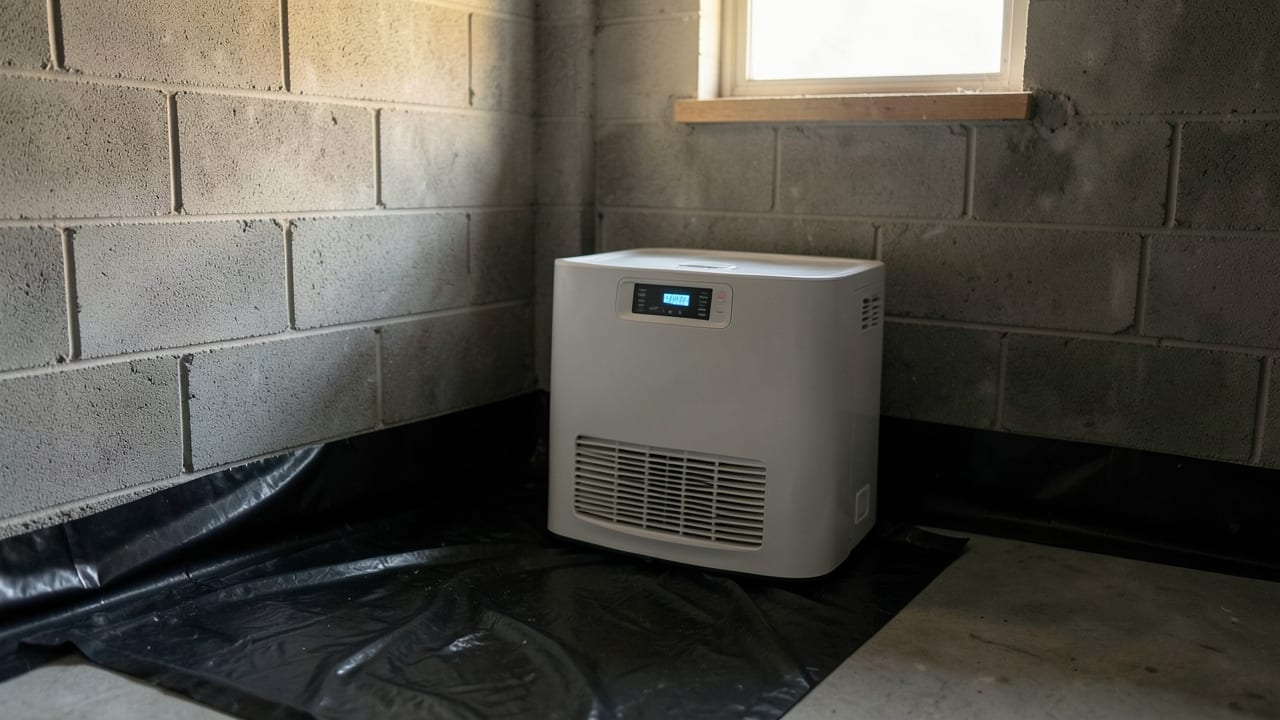
Mold Prevention & Moisture Control in New Providence, NJ
Mold prevention and moisture control in New Providence, NJ — addressing ventilation, humidity, and drainage before growth starts, not after.
Learn More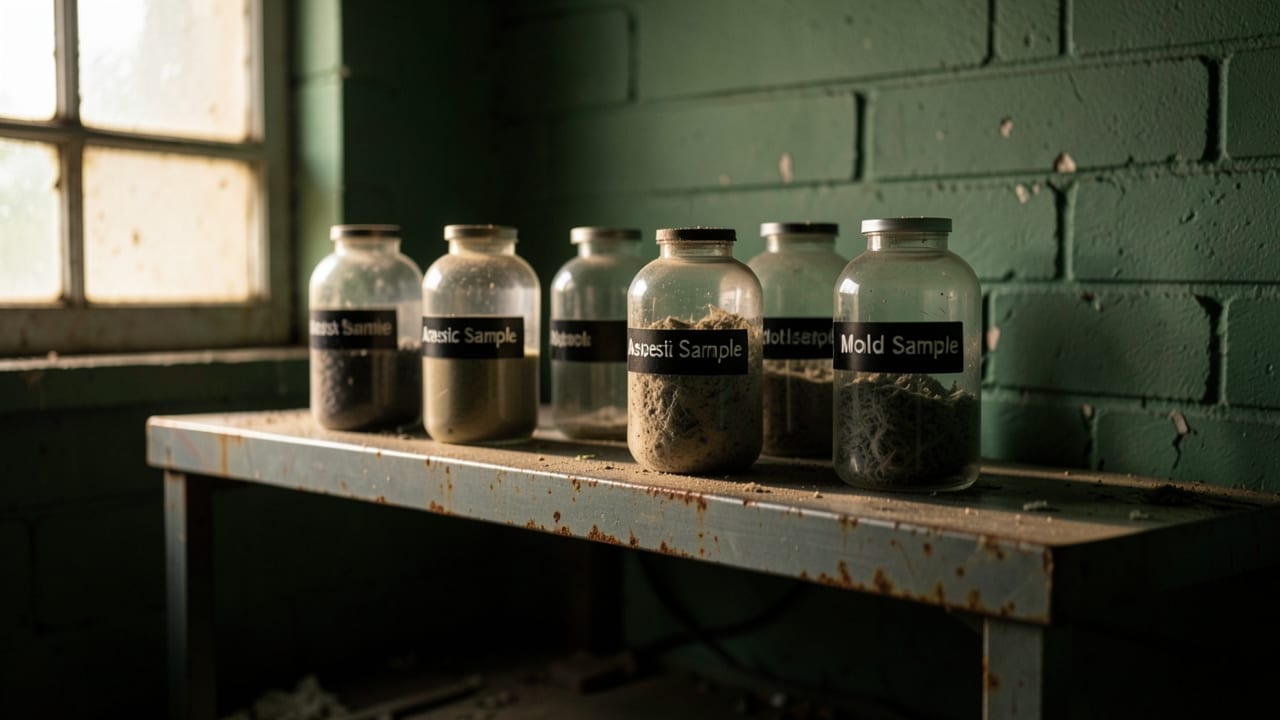
Mold & Asbestos Testing in New Providence, NJ
Combined mold and asbestos testing in New Providence, NJ — one inspection visit, lab-verified results for both.
Learn More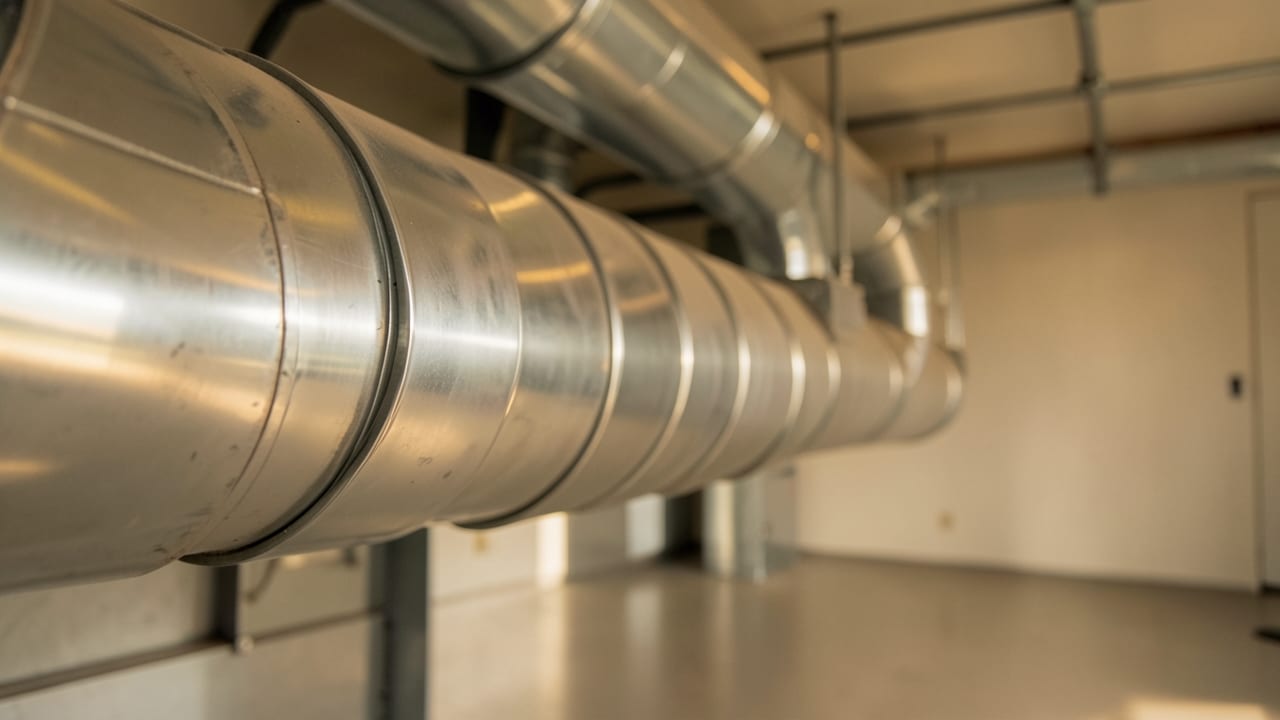
HVAC Mold Remediation in New Providence, NJ
HVAC and ductwork mold remediation in New Providence, NJ — mold growing inside the air handler or duct system, spreading through every vent.
Learn More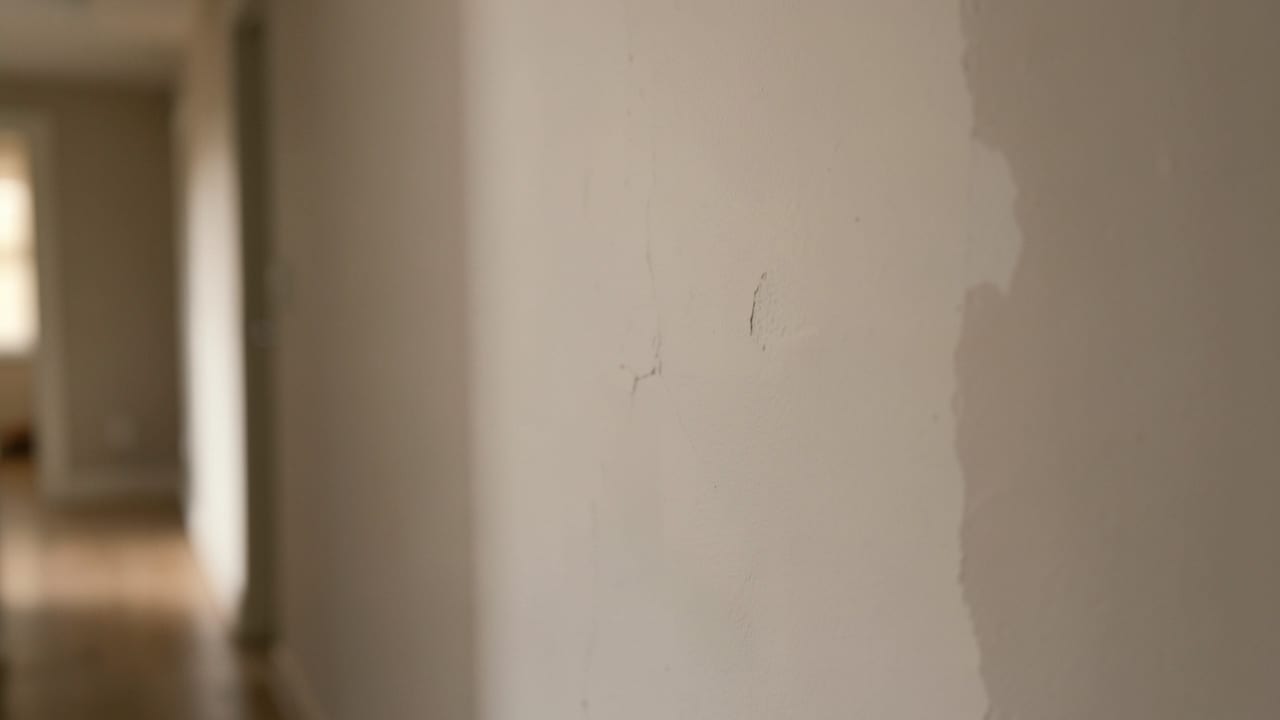
Drywall Mold Remediation in New Providence, NJ
Professional removal and treatment of mold growth behind or on drywall surfaces.
Learn More
Carpet Mold Treatment in New Providence, NJ
Professional assessment and removal of mold growth from carpets to restore a safe indoor environment.
Learn More
Concrete Mold Remediation in New Providence, NJ
Professional removal and treatment of mold from concrete surfaces in homes.
Learn MoreCommon Questions About Mold Remediation in New Providence
Everything you need to know about mold remediation services in New Providence
How much does Retail Store Mold Remediation typically cost in New Providence, NJ?
Why does New Providence, NJ's humidity make mold a bigger risk than in drier regions?
Does mold mean the same thing as mildew?
Does homeowners insurance typically cover mold remediation?
Is black mold actually more dangerous than other mold types?
How long does a typical mold remediation job take?
Need Mold Remediation in New Providence?
Connect with local providers in New Providence for a detailed quote.
⏰ We answer your call • Serving all of New Providence and surrounding areas